Turn industrial data intooperational action.
Nexus sits between the systems already running your site and the decisions made about it. One layer collects the data, interprets it, and carries the result into the workflow that follows.
Industrial systems are built for separate functions.
SCADA controls equipment. Cameras record video. Fleet systems track vehicles. ERP manages business records. Survey systems measure space. Each is useful, but none provides the whole operational context by itself.
Nexus connects the operational picture.
The platform collects events and data from existing systems, processes information at the edge or in the cloud, applies analytics and AI, and serves a consistent result to field teams, control rooms, engineers, and management.
Five layers, one connected operation.
Field data & devices
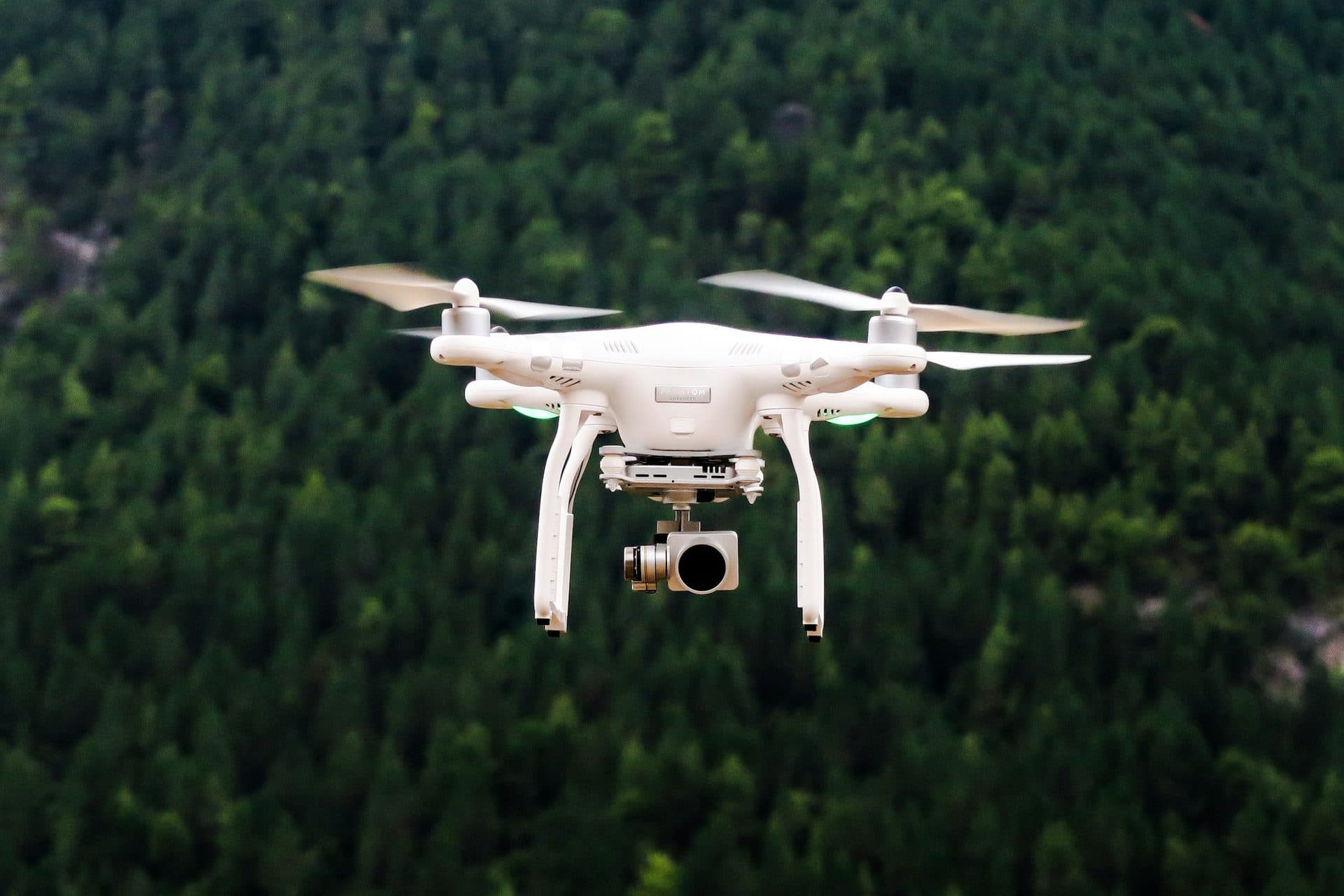
Everything on site that already produces a signal: cameras, sensors, equipment telemetry, GPS and GNSS, weighbridge indicators, radios, drone and satellite imagery, and the forms crews still fill in by hand. Nexus reads these sources as they are, so existing equipment keeps its role instead of being replaced.
- IP cameras and thermal cameras
- IoT and environmental sensors
- Equipment telemetry
- GPS and GNSS
- Weighbridge indicators
- Radios and field devices
- Drone imagery
- Satellite imagery
- Manual forms and reports
Industrial control & business systems
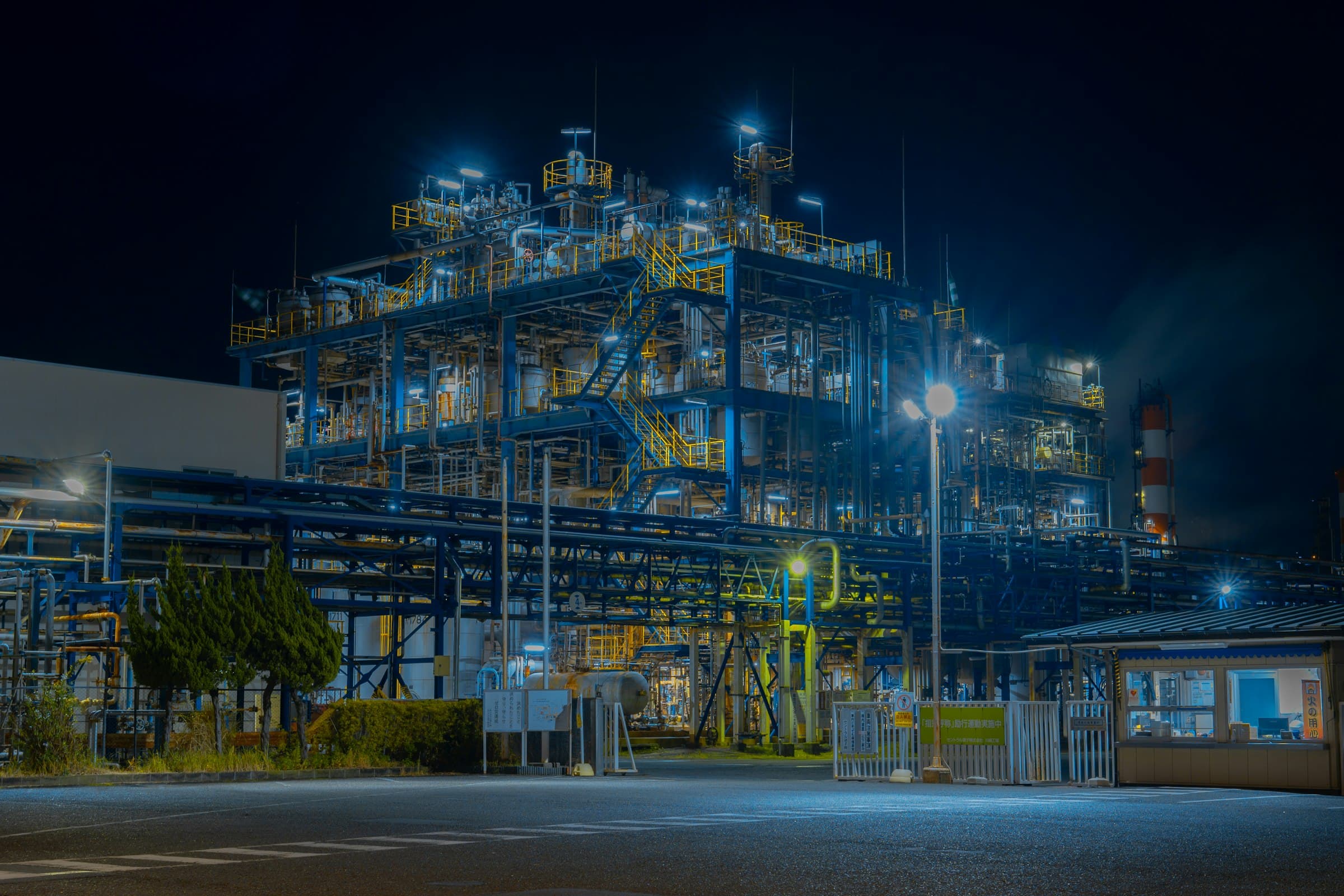
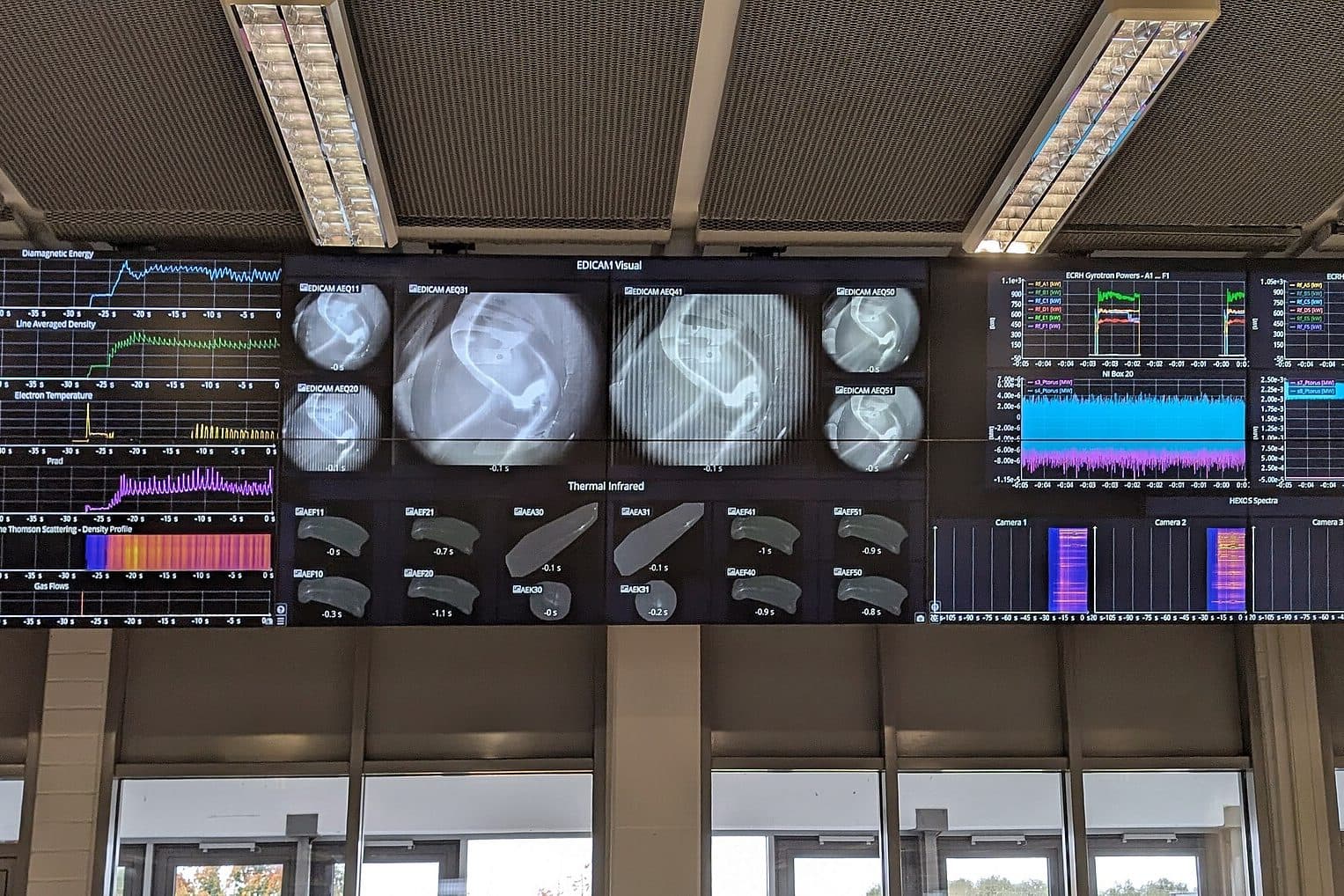
The systems that already run the operation: PLC, SCADA and DCS on the plant side, historians, fleet management and dispatch, and ERP, CMMS, MES, laboratory systems, access control and existing databases on the business side. Nexus connects through their own interfaces and leaves them in place.
- PLC
- SCADA
- DCS
- Historian
- Fleet management
- Dispatch
- ERP
- CMMS
- MES
- Laboratory systems
- Access control
- Existing databases
Nexus Edge
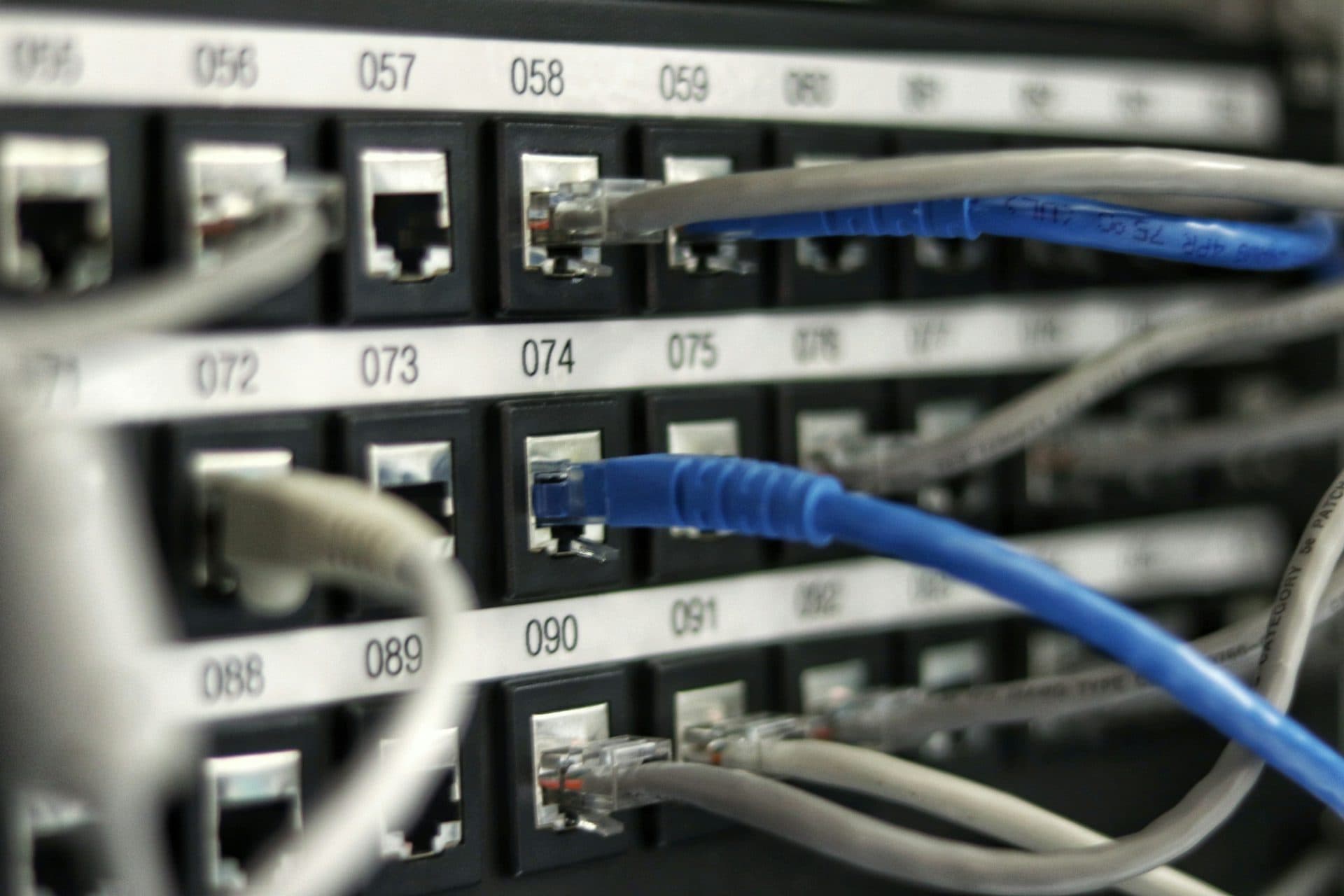
A local layer that runs on site: it collects data, runs AI inference and video analytics close to the cameras, processes events and raises local alarms. When the link is weak or lost it buffers data and forwards it once the connection returns, so work on site continues.
- Local data collection
- Local AI inference
- Event processing
- Local alarms
- Video analytics
- Data buffering
- Store-and-forward synchronization
- Operation during weak or lost connectivity
Nexus data & intelligence platform
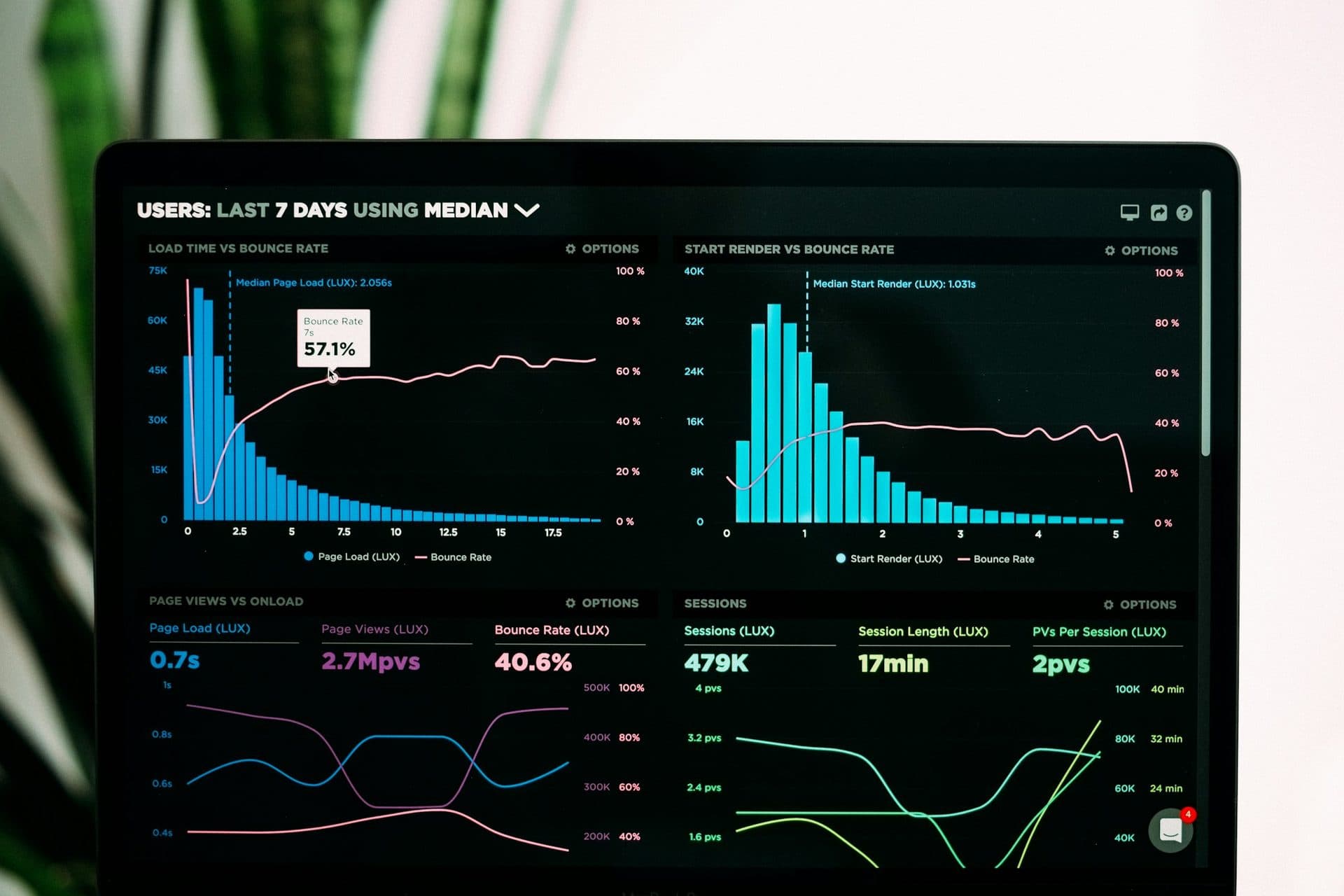
Where separate feeds become one record: ingestion, a unified operational data model, time-series storage, geospatial processing and sensor fusion, with a rules engine, AI and analytics, digital twin components and integration services on top. It keeps an audit history of what was recorded.
- Data ingestion
- Unified operational data model
- Time-series storage
- Geospatial processing
- Sensor fusion
- Rules engine
- AI and analytics
- Digital twin components
- API and integration services
- Audit history
Operational applications
The part people actually work in: command center, safety, fleet and dispatch, production, maintenance, survey, environment, security and reporting. The same processed data reaches mobile workflows in the field and management dashboards in the office.
- Command center
- Safety
- Fleet and dispatch
- Production
- Maintenance
- Survey
- Environment
- Security
- Reporting
- Mobile workflows
- Management dashboards
Process locally. Coordinate centrally.
Time-critical detections can run on site without depending on a stable internet connection. Cloud services support cross-site analysis, model updates, collaboration, reporting, and long-term history.
Nexus Edge Node
- A site-based compute unit that connects to cameras, sensors, and local systems.
- Runs selected AI and event-processing workloads locally.
- Buffers data when connectivity is unavailable.
- Supports remote, dusty, cold, and bandwidth-constrained sites.
Cloud Platform
- Synchronizes approved data from one or more sites.
- Supports historical analysis and cross-site reporting.
- Hosts central administration, collaboration, and selected model-training workflows.
- Provides controlled access for authorized users.
Collect. Contextualize. Decide. Act.
Collect
Receive data from devices, systems, people, and spatial sources.
Contextualize
Align information by asset, location, time, process, shift, contractor, and operational area.
Decide
Apply thresholds, rules, models, and analytics to classify what matters.
Act
Update dashboards, create alerts, initiate workflows, generate reports, or write records to connected systems.
Work with the systems already in place.
Nexus is designed to integrate with industrial and enterprise systems instead of forcing a complete replacement.
- SCADA / PLC / DCS
- Historians
- Fleet management & dispatch
- Weighbridge & truck scales
- Drill & blast systems
- Survey & machine guidance
- Geotechnical & slope monitoring
- Processing plant control
- Maintenance systems (CMMS)
- ERP & finance
- Laboratory systems (LIMS)
- Fuel management
- Access control & personnel tracking
- Environmental monitoring
Operational data remains under customer control.
Deployment can be configured around site security requirements, network restrictions, data residency, user roles, and access policies.
- Role-based access
- User and organization permissions
- Site and asset-level controls
- Audit history
- Encryption in transit and at rest
- Edge processing
- Selective cloud synchronization
- Offline operation
- Customer-controlled data retention
- Integration logging
Map your systems onto the Nexus platform.
Share your current sensors, control systems, software, and reporting process. We will show where Nexus connects and where additional data may be required.